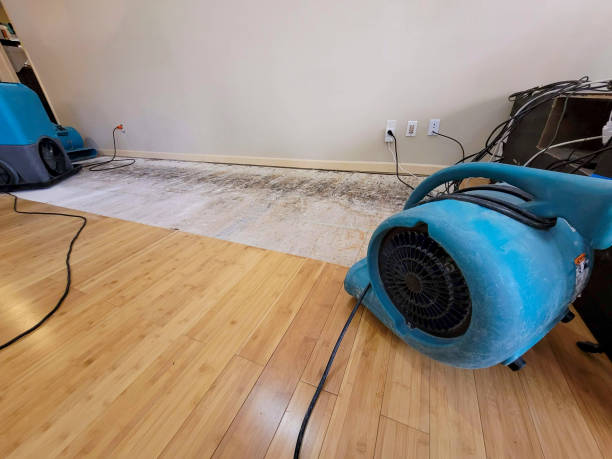
Denair property owners call San Diego Water Damage Company because we treat water damage like the emergency it is. Fast extraction, thorough drying, and honest communication from the first phone call to the final walkthrough.


Property owners in Denair don't call a restoration company on a good day — they call because something has already gone wrong, and often at an inconvenient hour. We built our Denair operation around that reality: real people answering the phone, technicians who explain what's happening in plain language, and a process that doesn't leave you wondering what comes next.
San Diego Water Damage Company combines old-fashioned local service with modern extraction and drying technology. Every technician on our Denair team is background-checked, certified, and trained to document the loss thoroughly from the first walkthrough, which makes your insurance claim easier from day one.
Every Sewage Cleanup technician we send to a Denair property is drug-tested, background-checked, and trained to IICRC S500 water damage restoration standards. We show up in a marked vehicle, in uniform, and we walk you through the plan before any equipment gets turned on.
A lot of Denair companies stop once the surface looks dry. We don't. Our technicians use moisture meters and thermal cameras to confirm materials are dry all the way through, because hidden moisture is exactly what leads to mold, warping, and repeat repairs down the road.
We built San Diego Water Damage Company around Denair because this is where our technicians live, work, and raise their families. That local investment shows up in how we treat every job — not as a transaction, but as a neighbor helping a neighbor through a genuinely stressful situation.
We built San Diego Water Damage Company to cover the entire scope of a water loss — not just the initial mop-up. Below are the core Sewage Cleanup services our Denair technicians deliver every week.
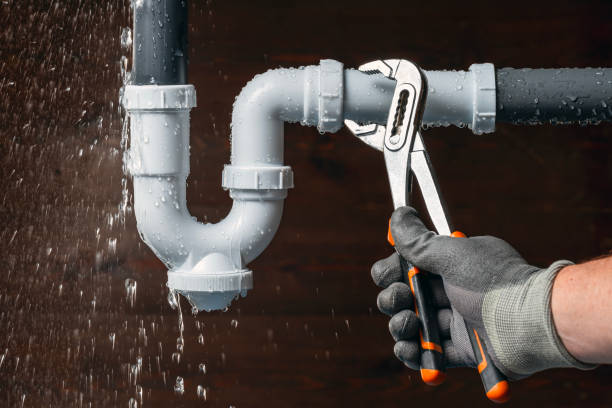
Burst pipes, sewage backups, and sudden flooding don't wait for business hours — neither do we. Our Denair emergency crews arrive with truck-mounted extraction units to pull standing water out fast, then move straight into drying and containment.
From a leaking water heater to storm intrusion, we restore Denair homes room by room — extracting water, drying structural materials, and repairing what the water damaged along the way, start to finish.
We work directly with Denair property managers, landlords, and business owners to minimize closures — after-hours scheduling, large-loss equipment, and a single point of contact throughout the entire job.
Mold can start growing within 24-48 hours of a water event. We apply antimicrobial treatments and monitor moisture levels in Denair properties to keep it from ever taking hold in the first place.
Once your Denair property is dry, our reconstruction team handles drywall, flooring, trim, and paint — so you deal with one company from the emergency call to the finished repair, no handoffs.
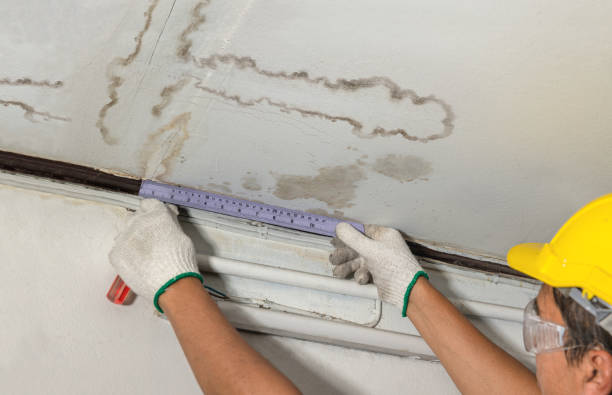
We photograph, measure, and log every stage of the Sewage Cleanup process in Denair so your insurance claim moves faster and with fewer disputes over scope or coverage.
We think Denair customers deserve to know exactly who's walking into their home or business, and what training they've completed.
Before a technician ever responds to a Denair call solo, they complete IICRC-recognized training covering water damage restoration fundamentals, drying science, and safety protocols for contaminated water. Many of our senior technicians also hold applied structural drying certification for more complex losses.
We also require background checks and drug screening for every Denair team member, and technicians recertify periodically as industry standards evolve. That consistency is part of why Denair customers trust the crew we send.
Understanding what typically causes water damage in Denair can help you catch a problem early — before it turns into a full emergency call.
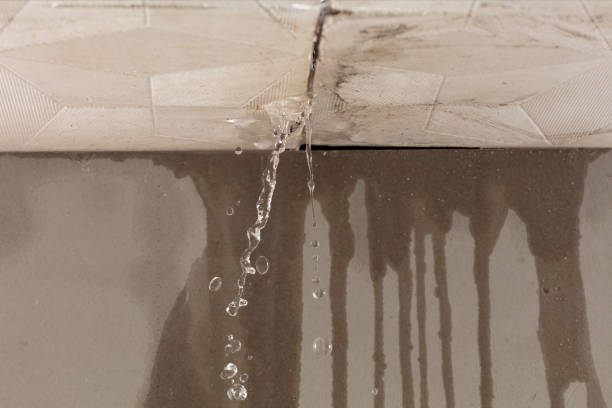
Aging plumbing, sudden temperature swings, and worn supply lines are among the most common reasons Denair residents call us. A single burst pipe can release hundreds of gallons before it's noticed, especially overnight.
Heavy storms, wind-driven rain, and aging roofing materials all contribute to water intrusion in Denair homes and businesses, especially in older roof systems nearing the end of their lifespan.
Clogged municipal lines, tree root intrusion, and sump pump failures can send contaminated water back into Denair basements and lower levels, requiring specialized cleanup and sanitizing.
Water heaters, washing machines, dishwashers, and HVAC condensation lines are common — and often overlooked — sources of slow leaks that eventually cause significant damage in Denair properties if left unnoticed.
Improper grading around a Denair property's foundation can direct rainwater toward the structure instead of away from it, leading to chronic basement or crawlspace moisture over time.
After a fire is out, the water used to fight it often causes its own separate restoration need across affected Denair floors and rooms, sometimes worse than the fire itself.
We keep the process simple and predictable, even when the situation at your Denair property feels anything but.
A real person answers, asks a few quick questions about the damage, and dispatches the nearest available Denair crew.
Our Denair crew shows up in a marked vehicle, walks the property, and identifies every affected area before touching equipment.
We remove standing water first, then move to saturated materials like carpet pad, drywall, and subfloor.
We track drying progress with moisture meters, adjusting equipment placement across your Denair property as needed.
We finish with a full walkthrough so you can confirm everything meets your expectations before we consider the job complete.
We prepare claim-ready reports along the way rather than scrambling to reconstruct notes after the fact.
We'd rather explain our guarantee plainly than bury it in fine print. Here's exactly what it means for Denair customers.
If our Denair technicians miss moisture somewhere, or if a drying target isn't actually met before equipment was pulled, we come back and correct it at no additional cost to you. That's true whether the issue is found the same week or discovered a month later during a routine check. We'd rather fix a mistake than have a Denair customer discover a problem on their own.
Our estimates aren't a ceiling we pad and hope you don't notice — if the job turns out smaller than expected, you pay less. If it turns out to be more involved once we're inside the walls, we pause, show you what we found, and confirm before moving forward with additional work.
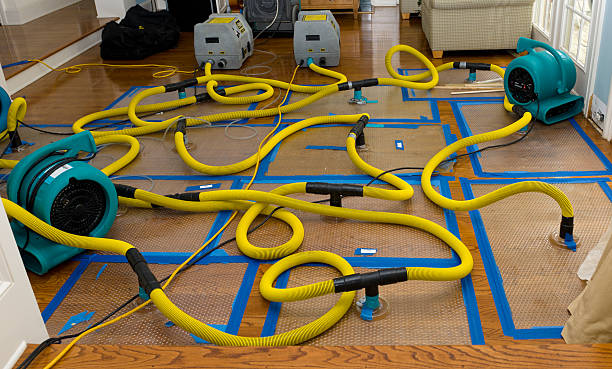
Our Denair trucks carry the same class of equipment used on large commercial losses: truck-mounted extraction units, low-grain-refrigerant dehumidifiers, high-velocity air movers, and moisture meters capable of reading behind walls without cutting into them.
That equipment difference matters. A rental-store fan moves air across a surface; our dehumidification setup actively pulls moisture out of the air and out of building materials, cutting drying time from weeks down to days in most Denair jobs.

Mold, warping, and structural damage set in fast. Reach out the moment you notice water, and we'll have a technician heading your way.
📞 +1-844-499-0972We built our Sewage Cleanup process around the things that actually matter to Denair homeowners and business owners during a stressful event: speed, honesty, and a job done right.
You'll know the cost before work begins — no surprise line items on the invoice, and no pressure tactics to upsell services you don't need.
Our Denair-based dispatch means a technician is typically on the way within minutes, not hours, because our trucks are already positioned throughout the area.
Every technician meets IICRC S500 standards and carries full insurance for your protection, so you're never taking on liability by letting us in.
Our reports are built to speed up claims, not slow them down — formatted the way Denair adjusters expect to see them.
If something isn't right, we come back and fix it — no arguments, no extra charge, and no runaround.
We understand common construction types and drainage issues across Denair neighborhoods, which helps us diagnose problems faster than an out-of-town crew could.
We could tell you we're fast and thorough — or you can hear it from Denair property owners who called us during a real emergency.
"Our water heater failed overnight and by the time we woke up the hallway carpet was soaked. San Diego Water Damage Company had a technician here within the hour and walked us through every step, and the whole area was dry within a few days."
"As a property manager I've used a few restoration companies over the years. San Diego Water Damage Company is the only one that consistently shows up on time and documents everything for insurance, which has saved me hours on every claim."
"Storm flooding got into our basement and I honestly didn't know where to start. The team explained the whole process, worked with our insurance, and got everything dried out within about a week."
"Our restaurant had a supply line break in the kitchen right before a weekend rush. San Diego Water Damage Company came out immediately and worked around our hours so we barely lost any business, which honestly saved our weekend."
"What impressed me most was the honesty. They told us upfront what was salvageable and what wasn't, instead of running up unnecessary charges we didn't need."
Plenty of Denair homeowners try to handle a small water event themselves before calling us. Here's what usually gets missed.
What makes DIY cleanup risky isn't the initial mop-up — it's everything you can't see afterward. Standard household fans move air across a surface, but they don't pull moisture out of building materials the way commercial-grade air movers and dehumidifiers do. That gap is exactly where Denair homeowners end up with mold problems weeks or months down the line.
Insurance carriers generally want to see documented proof that a water loss was properly mitigated. A DIY cleanup rarely produces that kind of record, which can leave Denair homeowners exposed if related damage — like mold or warped subfloor — shows up months later and the carrier questions whether it was handled correctly the first time.
None of this means every spill needs a professional crew — a small, contained, surface-level spill that's dried within a few hours is usually fine to handle yourself. But once water has soaked into flooring, baseboards, or drywall, or if it's been sitting for more than a few hours, it's worth a call to make sure nothing's hiding beneath the surface.
Every water loss is different, but these general safety steps apply to most Denair calls we receive.
If the water is coming from a pipe, appliance, or fixture you can safely reach, shut off the supply valve or main.
If water is anywhere near electrical panels or outlets in your Denair property, stay away and avoid that area entirely.
If it's safe, move furniture, electronics, and important documents away from the affected area or up off the floor.
A quick photo record of standing water and affected belongings makes the insurance process smoother down the line.
If weather allows, opening windows or doors can help slow humidity buildup until our Denair team arrives with drying equipment.
The sooner you call, the sooner a Denair technician starts heading your way — don't wait to see if it "dries on its own."
Filing an insurance claim after a water loss can feel overwhelming on top of everything else — our Denair team handles the documentation side so you don't have to.
From the moment our Denair technician arrives, we begin building a documentation file: photos of the damage, moisture readings, a written scope of work, and a materials inventory where applicable. This file is formatted in a way that Denair insurance adjusters recognize, which tends to speed up claim approval and reduce back-and-forth requests for additional information.
In many cases we can bill your insurer directly rather than requiring you to pay in full and wait for reimbursement. Coverage details vary by policy, so our Denair team will walk you through what to expect based on your specific insurance company.
Our Denair service footprint covers residential neighborhoods, commercial districts, and everything in between.
Not sure if your address falls inside our Denair service area? Call +1-844-499-0972 and our dispatcher will confirm coverage and estimated arrival time immediately.
From dense Denair neighborhoods to properties further out on the edge of our service area, we've structured our crews and equipment placement so that response time doesn't depend on luck — it depends on planning.

From historic single-family homes to modern commercial buildings, Denair's property mix is diverse — so is our equipment.
Whether your Denair property is a single-story ranch home, a multi-unit apartment building, or a commercial storefront, the fundamentals of water damage restoration stay the same — extract, dry, monitor, repair — but the details matter. Our technicians adjust equipment placement, drying time estimates, and material handling based on what's actually in the building.
Local familiarity also means we understand which parts of Denair tend to see more basement flooding, which neighborhoods have older plumbing infrastructure, and where storm drainage tends to back up — all of which helps us respond faster and more effectively.
Use the map for a general sense of our Denair service radius — a quick call confirms specifics.
One call to +1-844-499-0972 gets a certified Denair technician heading your way — 24 hours a day, 7 days a week, including holidays.
📞 Call +1-844-499-0972 — Denair 24/7 Line